

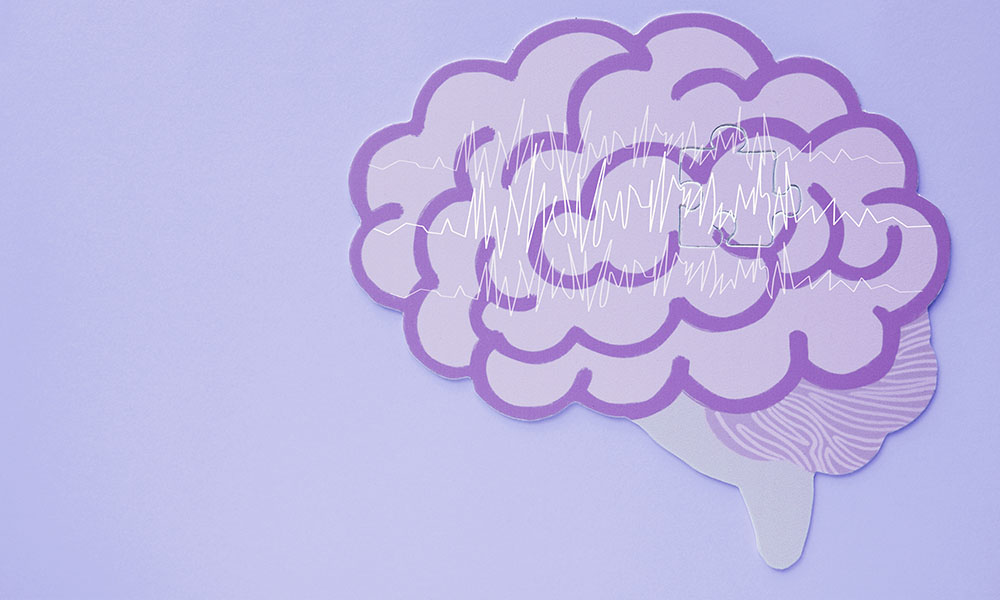
Frequently asked question: Is Epilepsy a sign of brain damage due to negligence? Can I claim if I developed Epilepsy?
“My little boy is 3 and ½ years old and has between 10 and 30 seizures per day. During birth they induced labour and because of a delay of 37 hours, they later decided to do an emergency caesarean section. He was born at 40 weeks gestation and we only realised that he was having fits after his first birthday. He has been on medication and for many scans and doctors’ visits. His diagnosis is Myoclonic Epilepsy in Infancy. Is Epilepsy a sign of brain damage due to negligence? Can I claim if he developed Epilepsy?” – Patricia
In order to answer this question, the diagnosis by a specialist doctor will guide you as to the cause of the Epilepsy. There are various types of Epilepsy and their severity, treatment, and causes can all be different. Some people require lifelong treatment to control seizures, but for others, the seizures eventually go away. Some children with Epilepsy may outgrow the condition with age.
One of the first steps is understanding Epilepsy and the various causes. Epilepsy can often be a sign of brain damage, but you can suffer a brain injury without having seizures. Similarly, you can have Epilepsy without having any brain damage or signs of injury on your medical scans.
What is Epilepsy?
Epilepsy is a neurological or central nervous system disorder in which nerve cell activity in the brain is disturbed, causing seizures or “fits”. It is a fairly common neurological disorder that affects 65 million people around the world. Anyone can develop epilepsy, but it’s more common in young children and older adults. Epilepsy can have many causes. It may occur as a result of a genetic disorder or an acquired brain injury, such as a trauma or stroke.
Epilepsy is a chronic disorder that causes unprovoked, recurrent seizures. A seizure is a sudden rush of electrical activity in the brain. There are two main types of seizures. Generalized seizures affect the whole brain. Focal, or partial seizures, affect just one part of the brain.
During a seizure, a person experiences abnormal behaviour, symptoms, and sensations, sometimes including loss of awareness. Stronger seizures can cause spasms and uncontrollable muscle twitches and can last a few seconds to several minutes. During a stronger seizure, some people become confused or lose consciousness. Afterward, you may have no memory of it happening. Epilepsy is usually treated by medication and in some cases by surgery, devices, or dietary changes.
Generalised seizures
Seizures that appear to involve all areas of the brain are called generalized seizures. Six types of generalized seizures exist.
- Absence seizures. Absence seizures, previously known as petit mal seizures, often occur in children and are characterized by staring into space or subtle body movements such as eye blinking or lip-smacking. These seizures may occur in clusters and cause a brief loss of awareness.
- Tonic seizures. Tonic seizures cause stiffening of your muscles. These seizures usually affect muscles in your back, arms, and legs and may cause you to fall to the ground.
- Atonic seizures. Atonic seizures, also known as drop seizures, cause a loss of muscle control, which may cause you to suddenly collapse or fall down.
- Clonic seizures. Clonic seizures are associated with repeated or rhythmic, jerking muscle movements. These seizures usually affect the neck, face, and arms.
- Myoclonic seizures. Myoclonic seizures usually appear as sudden brief jerks or twitches of your arms and legs.
- Tonic-clonic seizures. Tonic-clonic seizures, previously known as grand mal seizures, are the most dramatic type of epileptic seizure and can cause an abrupt loss of consciousness, body stiffening and shaking, and sometimes loss of bladder control or biting your tongue.
Causes
For 6 in 10 people, the cause of a seizure can’t be determined. Between 15 to 30 percent of children with intellectual disabilities have epilepsy. Epilepsy has no identifiable cause in about half the people with the condition. In the other half, the condition may be traced to various factors, including:
- Genetic influence.Some types of epilepsy, which are categorized by the type of seizure you experience or the part of the brain that is affected, run in families. In these cases, it’s likely that there’s a genetic influence.
Researchers have linked some types of epilepsy to specific genes, but for most people, genes are only part of the cause of epilepsy. Certain genes may make a person more sensitive to environmental conditions that trigger seizures.
- Head trauma. Head trauma as a result of a car accident or other traumatic injury such as a birth injury can cause epilepsy.
- Brain conditions. Brain conditions that cause damage to the brain, such as brain tumors or strokes, can cause epilepsy. Stroke is a leading cause of epilepsy in adults older than age 35.
- Infectious diseases. Infectious diseases, such as meningitis, AIDS, and viral encephalitis, can cause epilepsy.
- Prenatal injury. Before birth, babies are sensitive to brain damage that could be caused by several factors, such as an infection in the mother, poor nutrition, or oxygen deficiencies. This brain damage can result in epilepsy or cerebral palsy.
- Developmental disorders. Epilepsy can sometimes be associated with developmental disorders, such as autism and neurofibromatosis.
There are also several reasons you might have a seizure, which does not necessarily mean that one has Epilepsy. These include:
- high fever
- head trauma
- very low blood sugar
- alcohol withdrawal
Diagnosis
To diagnose the condition, a doctor called a Neurologist will review the symptoms and medical history. Your doctor may order several tests to diagnose epilepsy and determine the cause of seizures. An evaluation may include:
- A neurological exam. Your doctor may test your behavior, motor abilities, mental function, and other areas to diagnose your condition and determine the type of epilepsy you may have. It is important to remember that because there are different types of seizures, which originate from different areas in the brain, this can help in determining the cause.
- Blood tests. Your doctor may take a blood sample to check for signs of infections, genetic conditions, or other conditions that may be associated with seizures.
Your doctor may also suggest tests to detect brain abnormalities, such as:
- Electroencephalogram (EEG).
- Computerized tomography (CT) scan.
- Magnetic resonance imaging (MRI).
- Positron emission tomography (PET).
- Single-photon emission computerized tomography (SPECT).
- Neuropsychological tests.
Treatment
There’s no cure for epilepsy, but the disorder can be managed with medications and other strategies. Identifying triggers can also help. Common triggers include lack of sleep, stress, bright or flashing lights, drinking coffee or alcohol, skipping meals, or poor diet.
Managing the condition with medication is the most common method of treatment. Doctors usually perform surgery when tests show that:
- Your seizures originate in a small, well-defined area of your brain; and
- The area in your brain to be operated on doesn’t interfere with vital functions such as speech, language, motor function, vision, or hearing.
Conclusion
The answer isn’t always straight forward and would depend on each person’s medical history and circumstances. One of the biggest indicators would be the diagnosis and results obtained from your Neurologist. Identifying an obvious incident such as an injury to the head, deprivation of oxygen or other significant occurrences that would correspond with the type of seizures experienced could be an indication of a cause, but does not necessarily point to negligence. If you have any questions or suspect the Epilepsy is the result of an incident, you are welcome to contact our Paul du Plessis Attorneys for advice or visit www.pauldup.co.za.
For more information you can visit these resources:
https://www.healthline.com/health/epilepsy#epilepsy-symptoms
https://www.mayoclinic.org/diseases-conditions/epilepsy/
https://www.epilepsy.com/learn/epilepsy-due-specific-causes/
https://www.headway.org.uk/media/2800/epilepsy-after-brain-injury-factsheet.pdf