

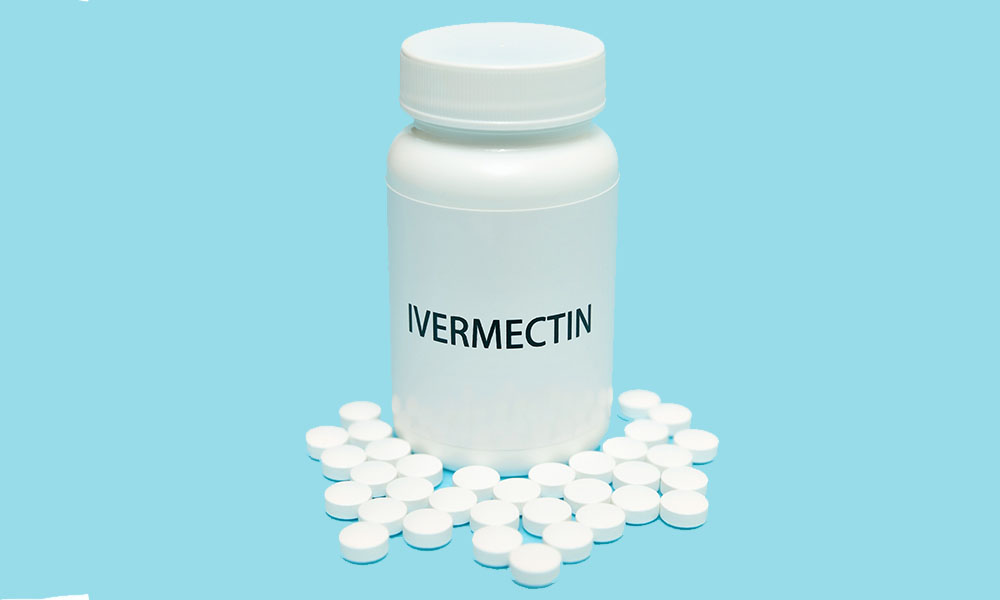
COVID19 in the news: The medical and legal side of using Ivermectin
The third wave of the Coronavirus, specifically the latest Delta strain and dramatic increase in infections, has sent many patients searching for alternative or prophylactic treatment in the form of Ivermectin.
The drug Ivermectin, which has been touted by some as an effective coronavirus treatment even though it is clinically unproven, is at the centre of a legal battle in South Africa as some medics want it licensed for human use.
Although there is too much that is still unknown about the virus and the treatment thereof, here is the current situation about the use of Ivermectin from a medical regulatory standpoint.
For more information on the Coronivirus visit https://sacoronavirus.co.za/
What is Ivermectin
This medication is used to treat certain parasitic roundworm infections and in South Africa specifically formulated for use in animals such as cattle and livestock. It can be found in pill and syrup form. Ivermectin belongs to a class of drugs known as antihelmintics. It works by paralyzing and killing parasites.
Current South African Medical Regulations
The medication is currently not licensed for human use by the South African Health Products Regulatory Authority (Sahpra), it is only registered to treat parasites in animals. Some doctors have been prescribing it to patients with coronavirus, saying that they have seen anecdotal evidence that it can alleviate some of the worst effects of Covid-19.
However, South Africa’s medical regulator, the drug’s manufacturer and some of the country’s most eminent scientists have all warned against using it to treat coronavirus. Now, advocacy groups, doctors on both sides of the debate and Sahpra will have to make their case before the Gauteng High Court in a hearing scheduled to happen soon.
In South Africa it has been used on animals, but has only been recommended for human use by the World Health Organization to treat river blindness. The difficulty in using and prescribing the medication in human patients is related to the limited evidence, studies and randomised controlled trials that have been done. New evidence is only now emerging since the recent increase in off-label use.
Dangers include that patients take incorrect doses of the medication (since it is formulated for animal use) and that other comorbid conditions could result in complications in a patient. Some common side effects include dizziness, nausea, diarrhoea, stomach pain, nausea and skin rash, according to the US Food and Drug Administration. The binding materials used in the medicine may also be present in concentrations at levels toxic to people. Sahpra also expressed concern over the use of Ivermectin sourced from the illegal market, saying the “quality cannot be guaranteed”.
In May 2021 a study by Okumus et al found that there are members of a population who have pre-existing gene mutations (MDR1/ABCAB1). This mutation causes Ivermectin to cross the blood-brain barrier, resulting in neurological side-effects. It is a red flag since it is uncertain which users have this mutation which places them at risk for serious neurological complications and even fatal convulsions. For this reason Ivermectin is contra-indicated in the use of dogs (especially Border Collies) who are known to have these mutations.
It is also known that in a hyperinflammatory state, the blood-brain barrier loses integrity and is more easily breached. A Cytokine storm is a hyperinflammatory state during which Ivermectin toxicity could occur. The medication usually is not supposed to cross this barrier or reach the brain or bone marrow but this cannot be safely predicted in patients.
Aside from neurological damage, long term use also has the potential to result in kidney and liver damage due to people with compromised livers’ inability to excrete the necessary concentrations of some of the medication’s ingredients.
Use at own risk: Be an informed user.
Sahpra is worried that there is not enough research on how it affects patients suffering from coronavirus and is therefore wary about signing off on its widespread use. In December, it prohibited the use of the drug on people unless doctors get approval through a special “compassionate use” application – this allows an unauthorised medicine to be prescribed in dire situations. If it is used in these cases then doctors need to provide information on how the patient is responding.
The official standpoint of South Africa’s medicines regulator is that: “There is insufficient evidence for or against the use of Ivermectin in the prevention or treatment of Covid-19.”
Thus patients should understand that this medication is used at own risk, whilst weighing up the pros and cons given a particularly uncertain medical landscape and extreme medical situations. What is certain is that the public should refrain from using the medication without medical advice and supervision and avoid purchasing the medication on the “black market”.
Written by Dané du Plooy
Sources:
“Ivermectin: South African medics using unproven worm drug to treat Covid-19” 27 March 2021
https://www.bbc.com/news/world-africa-56526632
https://www.sanews.gov.za/south-africa/sahpra-approves-ivermectin-controlled-human-use
“Evaluation of the effectiveness and safety of adding ivermectin to treatment in severe COVID-19 patients” 2021 Okumus et al https://doi.org/10.1186/s12879-021-06104-9