

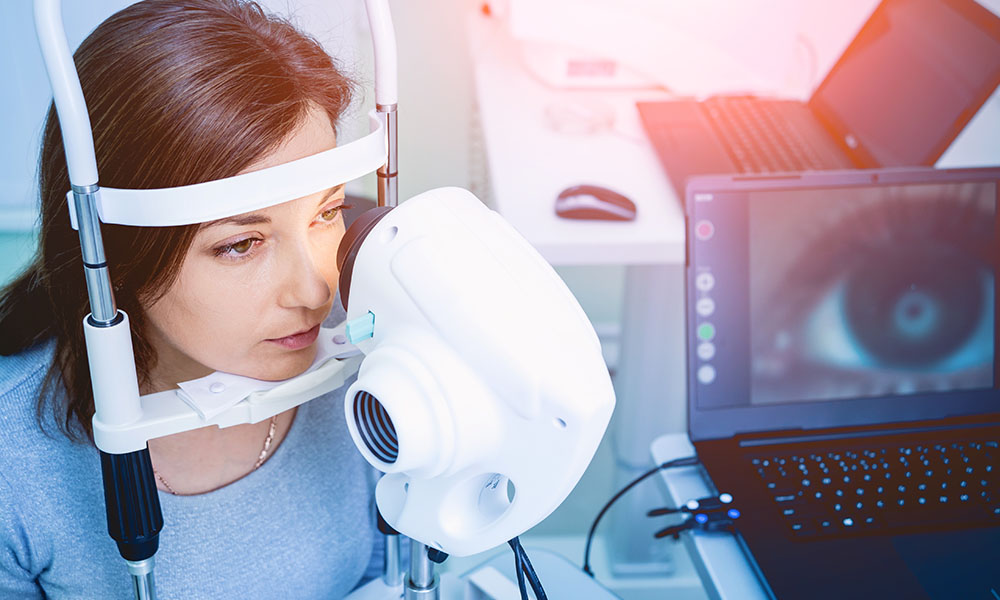
Medical negligence litigation: The role of an Ophthalmologist
Ophthalmologists play a significant role in providing medical opinions on diagnoses, causes, advice and prognoses to courts where claimants have suffered a personal injury. This helps a court to determine firstly, whether injury was caused due to negligence and secondly what extent of damage has been caused. The involvement of ophthalmologists in cases where visual disability is present can mean the difference in failing or succeeding with a claim. Their knowledge and experience are particularly important in cases of blindness or visual impairment, Retinopathy of Prematurity in babies and children, eye injuries due to motor vehicle accidents or other medical negligence matters.
Ophthalmologists are one of the many types of experts that could be involved in your case by providing a medico-legal opinion. For more information see our article on Medical Negligence – Medico Legal Experts
What do Ophthalmologists do?
An ophthalmologist is considered a medical and surgical specialist that can provide the highest level of eye care. Due to their advanced training, ophthalmologists can perform surgical procedures and can diagnose and treat a much wider range of eye conditions than their optometrist and optician colleagues.
Most ophthalmologists practice a combination of medicine and surgery, ranging from lens prescription and standard medical treatment to the most delicate and precise surgical manipulations.
They perform comprehensive examinations of the visual system to determine the nature or extent of ocular disorders, perform, order or interpret the results of diagnostic or clinical tests, and document or evaluate patients’ medical histories. They can prescribe or administer topical or systemic medications to treat ophthalmic conditions or to manage pain. They may perform ophthalmic surgeries such as cataract, glaucoma, refractive, corneal, vitro-retinal and eye muscle surgeries. Laser surgeries can alter, remove, reshape or replace ocular tissue. After surgery, they provide or direct the provision of postoperative care. They prescribe ophthalmologic treatments or therapies such as chemotherapy, cryotherapy and low vision therapy and prescribe contact lenses and lenses for eyeglasses. Sometimes they recommend eye exercises.
As a result of a number of recent scientific and technological advances, ophthalmology offers possibilities for diagnostic and therapeutic precision that are unavailable in many other medical and surgical fields. These advances have resulted in the development of a number of subspecialties, and provide the ophthalmologist with a wide range of clinical and research opportunities. Areas of specialisation in this field include corneal problems, glaucoma, neuro-ophthalmology, ophthalmic pathology, paediatric ophthalmology and vitreoretinal diseases.
Optometrists and family doctors often refer patients with serious eye conditions to ophthalmologists. Because of their extensive training, ophthalmologists can often link eye problems to other disorders because of the fact that many systemic diseases, such as brain tumours, diabetes and multiple sclerosis have ocular manifestations, that is, symptoms that can be detected in the eye.
For more information click here.
Where do Ophthalmologists practice?
Ophthalmologists use a variety of instruments, including ophthalmoscopes, which enable them to see the inner part of the eye. Because the eye is so small, ophthalmologists usually operate with the aid of microscopes and magnifying lenses to enable them to do their work with great precision.
Most ophthalmologists work in private practice, in their offices and in operating rooms. Emergencies are rare, so ophthalmologists work more regular hours than general medical practitioners.
What qualifications do Ophthalmologists need to have?
Ophthalmologists are specialised doctors who spend many years studying and obtaining their qualifications. Ophthalmologists are medical doctors who have completed a MBChB degree at University level and thereafter continue with further postgraduate studies specialising in ophthalmology. During the 4 years of intensive postgraduate clinical and surgical training, they must complete a research project to obtain their Master of Medicine (MMed) degree. In addition, they must also be successful in written and oral examinations administered by the Colleges of Medicine of South Africa (CMSA). Registration with the Health Professions Council of South Africa (HPCSA) is mandatory for this occupation. Ophthalmologists are required to keep abreast of new developments in their field so they often have to spend time studying, doing research and attending seminars.
How do I get the best experts and legal team?
Not all doctors or ophthalmologists are prepared to provide their opinion in a court case as they prefer to focus only in clinical practice. At Paul du Plessis Attorneys we have specialised in medical negligence and personal injury matters for more than 25 years and are able to obtain leading experts’ opinions on your case.
For more information or to discuss your case, feel free to contact our offices at 012 809 1588 or send an email to paul@pauldup.co.za at no cost.